
Supplier & Counterparty Review
Confirm which entities are involved and who should take contractual responsibility.
Verify the Right Parties
We help overseas businesses protect sensitive product information before it enters the China supply chain.
Clear planning helps protect your ideas and makes supplier relationships easier to manage.
Drawings, CAD files, samples, specifications, tooling plans, brand assets or other project information.
Identify which suppliers or related parties can access sensitive product information, reducing unnecessary disclosure.
Clarify ownership of drawings, samples and project improvements so responsibilities stay clear as production moves forward.
Define permitted use early to reduce surprises from extra production, sales or third-party sharing.
Address key protection needs at each stage of your supplier project.
Check whether your protection still fits the parties involved and how the project works.
Confirm which entities are involved and who should take contractual responsibility.
Verify the Right Parties
Check whether your existing China rights cover what you plan to share with suppliers.
Assess Your IP Coverage
Make sure the agreement reflects how the supplier will access and use your information.
Review Contract Terms
Clarify who owns and controls key project assets throughout the supplier relationship.
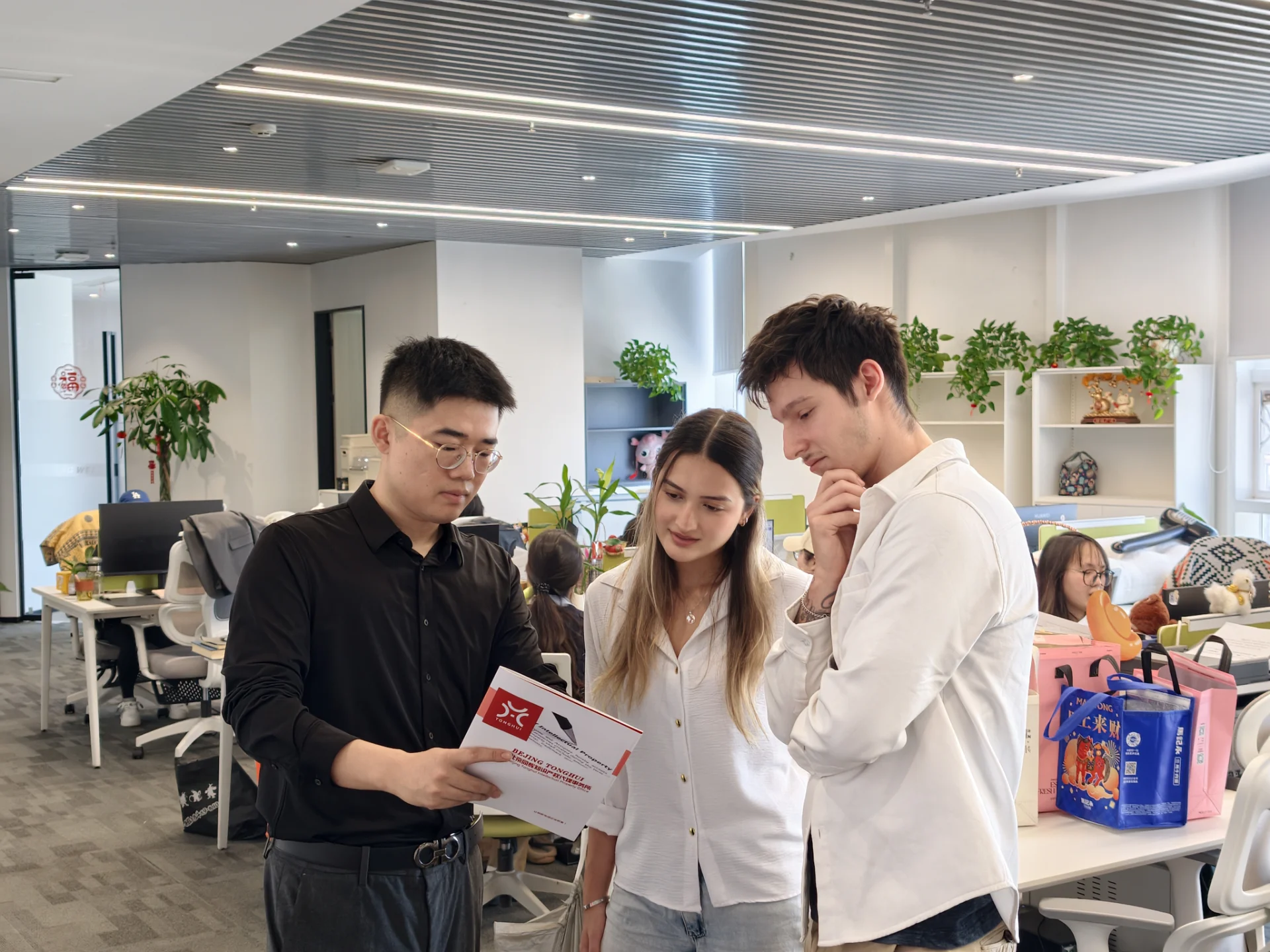
Protect Your Key AssetsWork directly with a local team that understands your priorities and keeps communication clear.

Patent Agent Mechanical · Mechatronics · Software

Patent Agent Communications · Mechanical · Biotechnology

Patent Agent Chemistry · Mechanical · Mechatronics

Trademark Attorney Trademark Registration · IP Portfolio Management

Trademark Specialist Trademark Search · Filing · Renewal

IP Paralegal & Client Coordinator International Client Support · Case Management

Share the project basics, and we’ll help you see where further review may be needed.
Clear answers about agreements, supplier relationships, and practical next steps for your project.
Start by confirming who will receive the information and whether your existing China rights cover what you plan to share. If there is a gap, we can then look at the protection that should be in place before disclosure.
Possibly. A contract controls obligations between the parties, while registered IP can provide an independent basis for protection in China. We review how your China OEM agreement works with your existing rights before recommending anything further.
An NDA mainly focuses on keeping shared information confidential. An NNN agreement typically also addresses non-use and non-circumvention, helping define how a supplier may use your information and interact with your business. The appropriate terms depend on the project, the information being shared, and the parties involved.
Not always. The right document depends on how the supplier will use your information and what you need to restrict. We review the relationship first, then recommend whether a China NNN agreement is appropriate.
Not automatically. If more than one entity receives project information, the signing structure should reflect the real information flow. We first confirm who should take responsibility under the agreement.
Sharing does not automatically mean there are no options left. We need to understand how the disclosure happened and what protection is already in place before advising what can still be strengthened.
Review the handover terms before tooling or project materials move. If tooling ownership in China is unclear, it is better to address that before the transfer begins.