
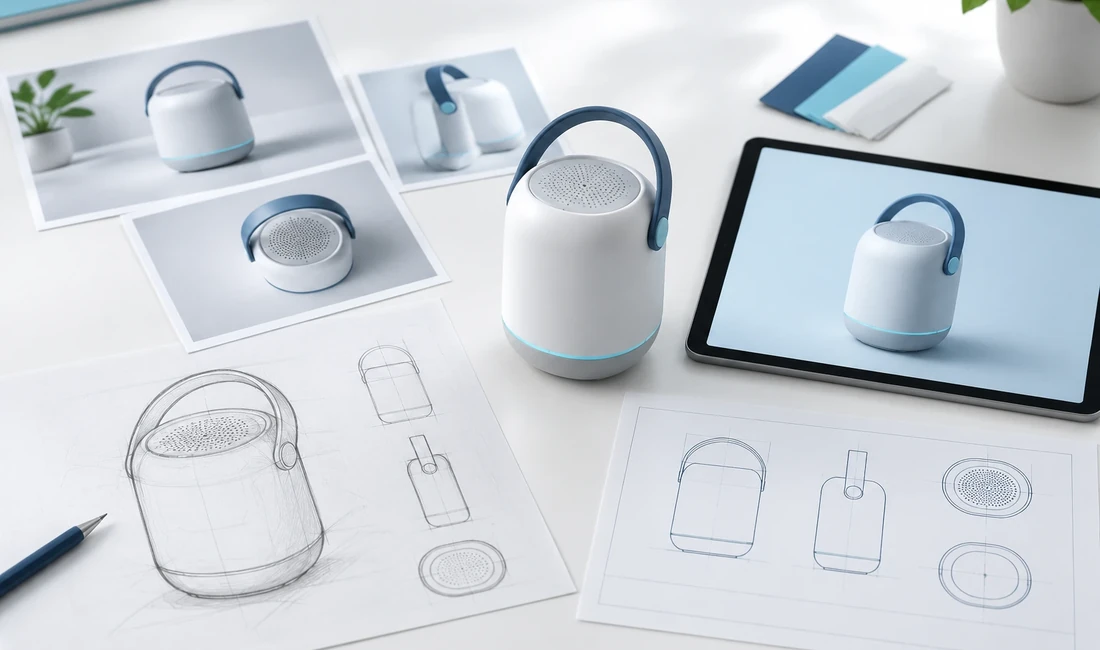
A business may have a finished product, a set of photographs or only a few renders when it starts preparing a China design patent application. Before paying for a new 3D model, it helps to check whether those materials already explain the design clearly enough.
A CAD source file is not a standard filing requirement. The application needs suitable drawings or photographs that clearly show the design. This guide explains which materials can help, what the views need to show and when CAD modelling may be useful.
What a China design patent application requires
Under Article 27 of China’s Patent Law, a design patent application includes a request, drawings or photographs of the design, and a brief description. The images must clearly show the design for which protection is sought.
CAD means computer-aided design and can involve 2D drawings or 3D models. A CAD file may help an agent prepare the images, but the starting file and the final filing images serve different purposes.
Materials that can help prepare design patent images
Start with the materials already available. They may be enough to explain the design, although a new set of filing drawings may still need to be prepared.
Product photographs
If a physical sample is available, clear photos from the relevant angles may give an agent enough to work with. Photos can also be used in the application itself if they meet the filing requirements. Include views that make the product’s shape and details easy to see.
Sketches and renders
If the product has not been made yet, sketches and illustrations can help explain its shape. A simple sketch may clarify something a polished render leaves unclear, such as the underside or a rounded edge. A rough sketch can be useful reference material even though it is not suitable for filing in that form.
Concept images and AI generated references
Concept images, including AI-generated ones, need careful review. They should reflect the intended design and show consistent details across images. If a part has not yet been fully decided, confirm its appearance before the filing drawings are finished. These images should not be assumed to meet the filing requirements without review.
Checking consistency across design patent views
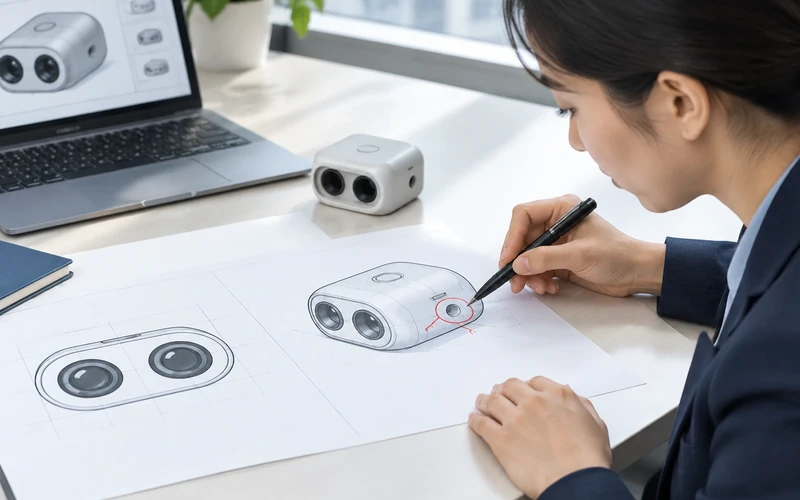
Imagine a product with two circular openings in its front panel. The front view shows both openings, but a perspective image shows three on that same panel. The applicant needs to confirm which version is correct before the drawings are finalised.
A missing angle can create a different problem. If none of the images shows the back, the agent may be unable to tell whether it is flat, curved or has other details. The views needed depend on the design and the features to be protected. CNIPA’s guidance on design views explains how the required view set is determined.
If the feedback is that the views do not match, ask for the exact areas to be marked. This makes it easier to correct the drawings and confirm that each view shows the same intended design.
When CAD modelling helps with a design patent application
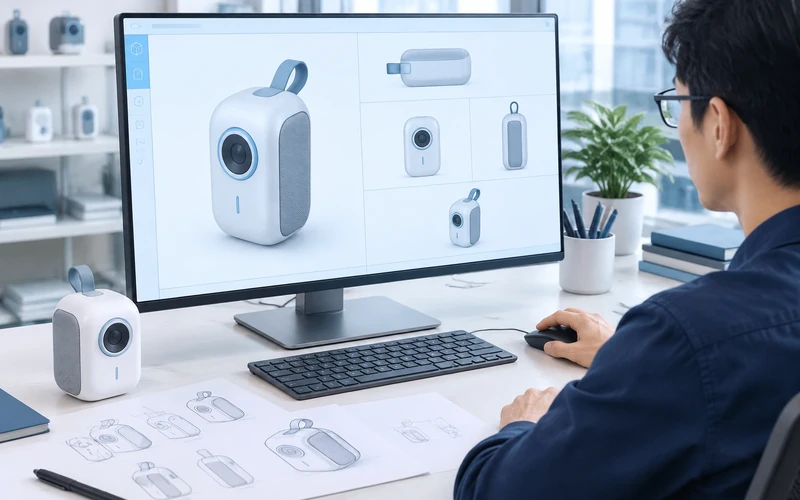
A 3D model can help when the product’s shape is difficult to work out from the available images, or when the views still do not match after several revisions. Preparing views from one model can make it easier to keep them consistent.
A model still needs confirmed design details. If an edge, opening or surface has not been decided, the applicant must confirm it before the filing drawings are completed.
Before agreeing to modelling work, ask which details are unclear in the existing pictures. An extra photograph or sketch may answer the question. If a model is needed, confirm who will prepare it, what the work includes and how much it will cost.
What to confirm before filing a China design patent
Before the application is filed, review the actual images and documents that will be submitted. Check that:
- The images show the intended design and the relevant product details.
- Repeated features, such as openings and edges, are consistent across views.
- Any missing angles or unresolved details have been discussed with the agent.
- Any extra drawing or modelling work has an agreed scope and price.
Tell the agent at the start about any planned launch, public showing or earlier patent filing. These dates can affect the filing plan and should be considered before spending time on extra drawings or modelling.
To discuss the next step with Tonghui, explain what the product is and whether photos, sketches or renders are available. The initial review can then focus on what still needs to be shown and whether extra drawing or modelling work is needed.